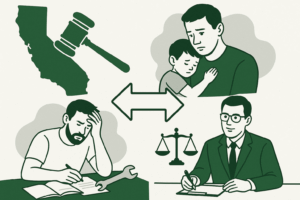
Filing for divorce in San Diego is a significant step, and for many men, it comes with uncertainty about what happens next. Small errors, missed steps, or incomplete information can create delays or complications. For that reason, some applicants choose to seek early guidance from a San Diego divorce lawyer for men to help you get started on solid ground.
Getting Ready to File in a San Diego Court
Before you can officially start a divorce case in San Diego, there are two things to confirm: that you’re eligible to file in California, and that you have the correct paperwork prepared.
To file for divorce in San Diego County, you must have lived in California for at least six months and in San Diego County for at least three months. If you don’t meet these requirements yet, filing too early or in the wrong county can delay your case or force you to refile later.
The next step is preparing your divorce forms, including:
If you and your spouse have children together, you’ll also need additional forms addressing custody and visitation.
These documents do more than just notify the court that you want a divorce—they outline what you’re asking for. That can include property division, custody arrangements, and support. What you include (or leave out) at this stage can carry forward into later parts of the case.
Mistakes here are common. Incomplete forms, unclear requests, or overlooking key financial details can create unnecessary complications down the line.
Schedule a Case Evaluation call 951-339-3826
File Your Divorce Papers with the San Diego Court
Once your forms are completed, the next step is officially filing them with the court. In San Diego, you’ll file your paperwork with the Superior Court of California, County of San Diego. This can typically be done in person or, in some cases, electronically, depending on the court’s current filing options.
When you file:
- You submit your completed forms (Petition, Summons, and any additional documents)
- You provide copies for the court and for your records
- You pay a filing fee (unless you qualify for a fee waiver)
After filing, the court will stamp your documents and assign a case number. From that point forward, your case is officially opened, and all future filings will be tied to that number.
It’s important to understand that filing doesn’t notify your spouse—that happens in the next step. At this stage, you’re simply establishing your case with the court and putting your requests on record.
Taking the time to ensure everything is properly prepared before submission can help keep your case moving without unnecessary setbacks.
Serve Your Spouse with Divorce Papers
After filing, the next step is making sure your spouse is formally notified. In California, this is called service of process, and it’s a required part of every divorce case.
You cannot serve the papers yourself. Instead, someone else must deliver the filed documents to your spouse, such as:
- A professional process server
- The county sheriff
- Any adult (18 or older) who is not involved in the case
The person who completes service must also fill out a Proof of Service form. This document is then filed with the court to confirm that your spouse was properly notified.
This step is more important than it may seem. If service isn’t done correctly, your case can be delayed—or in some situations, challenged. The court needs clear confirmation that your spouse received the paperwork before the case can move forward.
Once service is completed and documented, the legal timeline begins for your spouse to respond.
Click to contact us today
Wait for Your Spouse’s Response
After your spouse has been properly served, they have 30 days to file a response with the court. What happens during this window can shape how your divorce moves forward.
If your spouse responds within the deadline, the case typically becomes contested—meaning there are disagreements to work through, whether related to property, custody, or support. From there, both sides will begin negotiating or preparing for further legal proceedings.
If your spouse does not respond within 30 days, you may be able to request a default judgment. This means the court can move forward without their participation, potentially granting the terms you outlined in your initial filing. However, even in default cases, the court still reviews your requests to ensure they meet legal standards.
At this stage, your case begins to take direction—either toward negotiation or a more formal legal process.
Complete a Case Evaluation form now
What to Expect After You File for Divorce in San Diego
Filing for divorce is relatively quick, but completing the process takes more time. In California, there is a mandatory six-month waiting period from the date your spouse is served before a divorce can be finalized. This is the shortest possible timeline, and many cases take longer depending on the circumstances.
During this period, both sides work through the core issues of the divorce. This typically includes exchanging financial information, evaluating assets and debts, and negotiating terms related to property division, child custody, and support. These steps are required before a case can be finalized, whether or not there is disagreement.
Reaching an Agreement or Going to Court
Many divorces in San Diego are resolved without going to trial. Spouses may reach an agreement through direct negotiation or with the help of mediation. When an agreement is reached, the terms are written out and submitted to the court as part of a final judgment package.
Not every case moves at the same pace. Disputes over finances, disagreements about parenting arrangements, or a lack of cooperation from one party can extend the process. In more complex situations, additional court involvement may be necessary, including hearings or, in some cases, a trial.
If an agreement is not reached, a judge will make the final decisions, and those rulings will be included in the judgment. Either way, the divorce is not legally complete until the court reviews and signs the Judgment of Dissolution and the required waiting period has passed.
Once finalized, the judgment becomes legally binding. Both parties are required to follow its terms, whether that involves dividing property, adhering to a custody schedule, or making support payments.
Take the Next Step With Us at Your Side
While it’s possible to handle a divorce in San Diego on your own, many men find that having the right guidance early on helps them avoid unnecessary complications and better understand their options. A San Diego divorce lawyer for men can provide perspective on what to expect, help you stay focused on what matters most, and ensure that nothing important is overlooked as your case moves forward.
If you’re considering filing, or you’ve already started and have questions, our team is here to help. The team at Reel Fathers Rights is focused exclusively on representing men and fathers, with extensive experience in family courts throughout Southern California.
Schedule a free case evaluation today to protect your rights.
Call or text 951-339-3826 or complete a Case Evaluation form