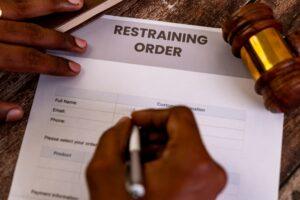
In California, a restraining order does not automatically disappear simply because circumstances have changed or because both parties want to move on. Depending on the circumstances, either the protected person or the restrained person may ask the court to terminate or modify an existing order. Until a judge approves that request, the restraining order remains in effect.
Questions about canceling a restraining order often arise when circumstances have changed since the order was issued. A Riverside domestic violence lawyer for men can help you figure out how to cancel a restraining order and what factors a court may consider during this process.
Can a Restraining Order Be Canceled in California?
Yes, in some situations, a requested restraining order can be canceled before it expires. However, the process is not automatic, and neither party can simply decide that the order is no longer necessary.
Both the protected person and the restrained person have the right to ask the court to terminate an existing restraining order. For example, the protected person may believe the order is no longer necessary. Sometimes, the restrained person may believe the order is no longer justified or that the circumstances surrounding the case have changed.
Regardless of who makes the request, the restraining order remains in effect until a judge signs an order modifying or terminating it.
Schedule a Case Evaluation call 951-339-3826
How Do You Request That a Restraining Order Be Terminated?
Whether the request comes from the protected person or the restrained person, the process typically follows the same path.
First, the party seeking the change must file paperwork with the court that issued the restraining order. These documents include, but are not limited to:
- Request to Change or End Restraining Order (DV-300)
- Items 1 and 2 of Notice of Court Hearing and Temporary Order to Change or End Restraining Order (DV-310)
Those documents tell the judge what changes are being requested and why. Once the paperwork is filed, the court will schedule a hearing date.
Next, the other requesting party must formally notify the other party of the request. This is known as service. The person seeking the change cannot hand-deliver the paperwork themselves. Instead, another adult must serve the documents and provide proof that service was completed.
Once a hearing date has been set, both sides should begin preparing for court. That may involve reviewing prior court orders, gathering relevant records, saving important communications, and identifying any facts they want the judge to consider when making a decision.
When the hearing takes place, both parties will have an opportunity to tell their side of the story and respond to the other person’s request.
What Factors Will a Judge Consider When Modifying a Restraining Order?
There is no single fact that guarantees a restraining order will be terminated. Instead, the judge will look at the case history and the reasons for the request.
One of the first questions is why the restraining order was issued in the first place. A judge may review the original allegations, the evidence presented at the prior hearing, and the terms of the existing order.
The court will also want to understand what has changed since then. For example, the protected person may no longer believe the order is necessary, the parties may have had no further incidents, or family circumstances may have changed in a meaningful way.
A judge may also consider whether the restrained person has complied with the order. A history of violations can make it more difficult to convince the court that the order should be terminated.
When children are involved, the court may also consider how the request could affect existing child custody or visitation arrangements.
Ultimately, the court’s focus is on whether the order remains necessary based on the facts presented at the hearing.
What Happens if the Court Refuses to Cancel the Order?
Not every request to terminate a restraining order is granted. If the judge decides the order should remain in place, the existing terms will continue to apply until the order expires or the court approves a future modification.
For the restrained person, that means continuing to follow all restrictions contained in the order. Violating the order can result in serious consequences, even if the person believes the order should have been terminated.
A denial does not necessarily mean the issue can never be revisited. Circumstances can change over time, and a party may later return to court if there is a valid reason to request a modification or termination of the order.
The most important thing is understanding exactly what the judge’s ruling requires.
Click to contact us today
When Fathers Seek to Remove a Domestic Violence Restraining Order
For some fathers, the goal is not simply to remove a court order. It addresses the ongoing effect that the order has on their lives, reputations, and relationships with their children.
In custody disputes, restraining orders can become particularly contentious. A father may believe the allegations were exaggerated, taken out of context, or raised during a period of intense conflict between the parents. In other situations, a father may feel that the circumstances that led to the order no longer exist and that the restrictions no longer serve a legitimate purpose.
The impact can be significant. A restraining order may affect parenting time, communication with the other parent, custody proceedings, and a father’s ability to remain actively involved in his child’s life. Even years later, an existing order can continue influencing family court matters.
Courts take allegations of domestic violence seriously, and not every restraining order should be terminated. At the same time, fathers should understand that they have the right to seek a review of an existing order when they believe the facts, circumstances, or ongoing restrictions warrant another look from the court.
Complete a Case Evaluation form now
Moving Forward After a Restraining Order
Domestic violence restraining orders often intersect with other family law issues, including child custody, parenting time, divorce, and paternity disputes. When those issues overlap, the impact of an existing order can extend far beyond the original case.
Reel Fathers Rights represents men and fathers throughout Riverside and Southern California in domestic violence and other family law matters. Schedule a free case evaluation to discuss your situation and options.
Call or text 951-339-3826 or complete a Case Evaluation form